
An atmospheric concert featuring Vintage 78
Musical and intellectual reflections on the art project
Are you with me?
On May 31 at 5 p.m., the band Vintage 78 will perform a concert in response to the venue and the current art project “Lupambulus”
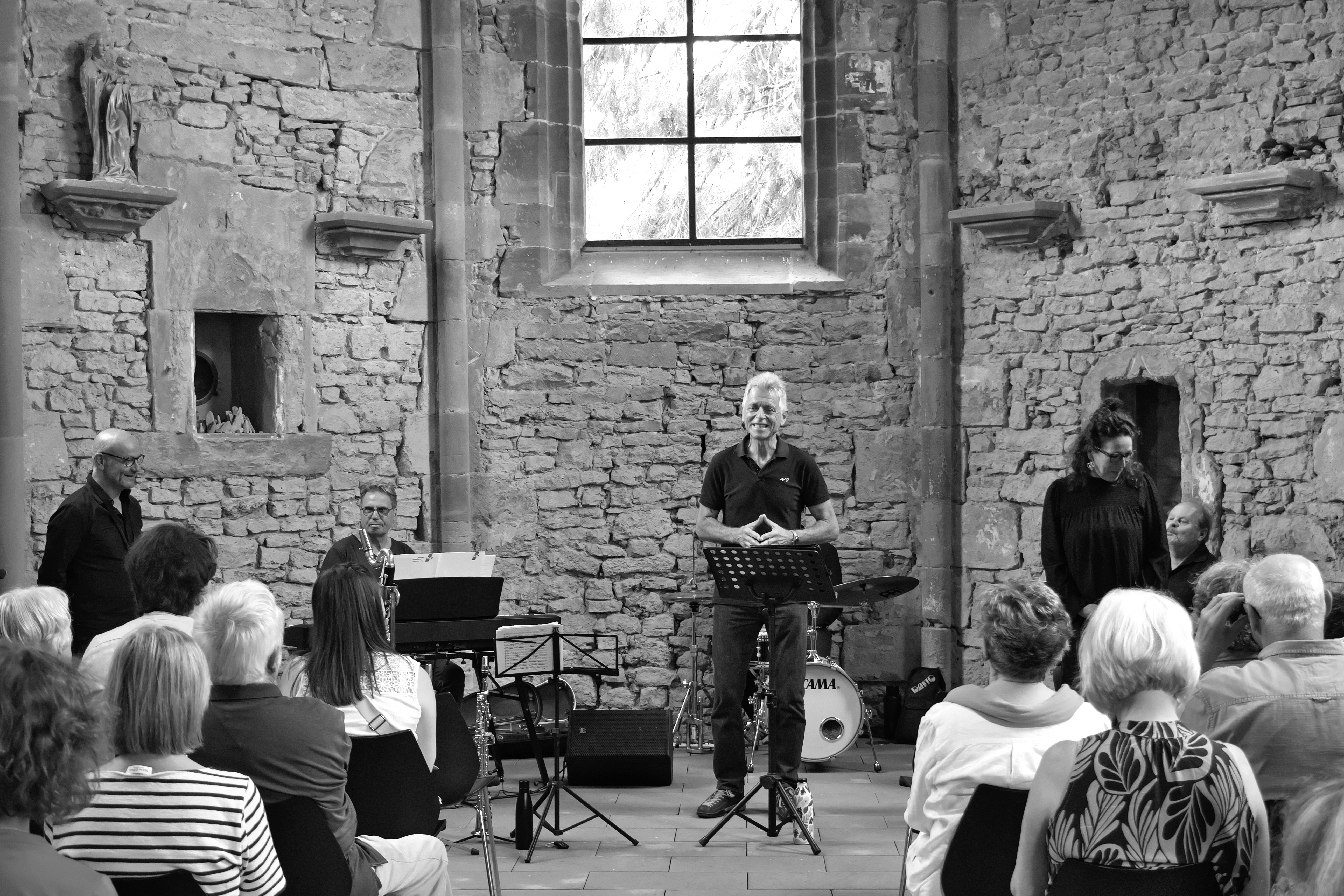
Under the title “Bist Du bei mir,” the band Vintage 78 responded to the current art project “Lupambulus” at the Wintringer Chapel with a very special concert format . The project explores the virtues of Saint Wolfgang, who was the patron saint of the church in the 16th century. Drawing on the trusting message of Bach’s hymn “If You Are With Me, I Will Go With Joy,” Vintage 78’s unconventional arrangements sought to shed light on the question of finding a counterpart in other people, religion, or philosophy.
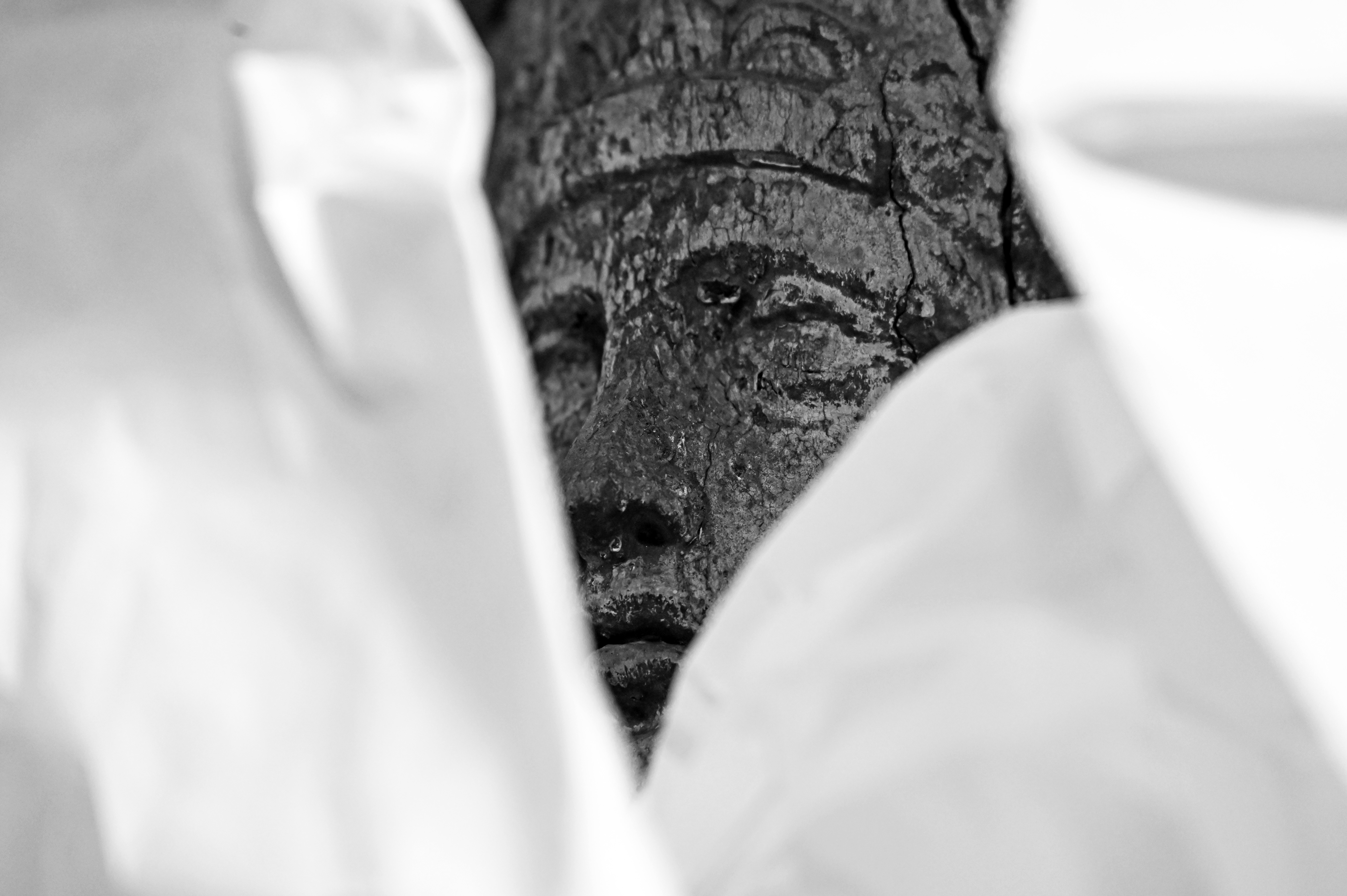
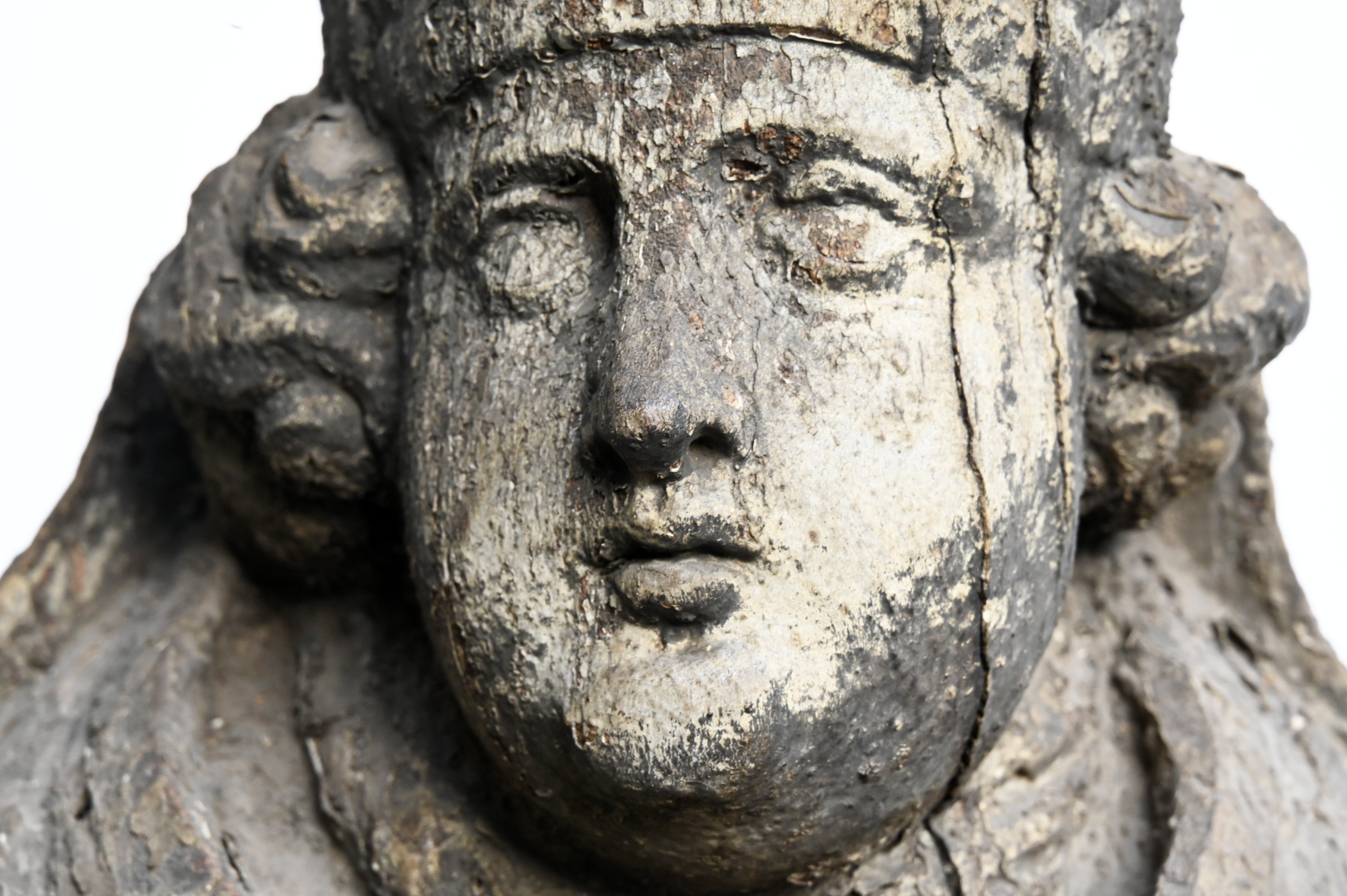
The music and lyrics took up the message of Bach’s song and framed it as a question—and they did so in a place that invites even the “religiously unmusical” (Habermas) to pause and reflect. The ethical and moral principles of the chapel’s patron saint, addressed in the window and in the figure of Bishop Wolfgang, provided a resonant space for the question: “Are you with me?” The concert did not seek a definitive answer, but used the chapel’s acoustics as an occasion to pose critical questions to a counterpart.
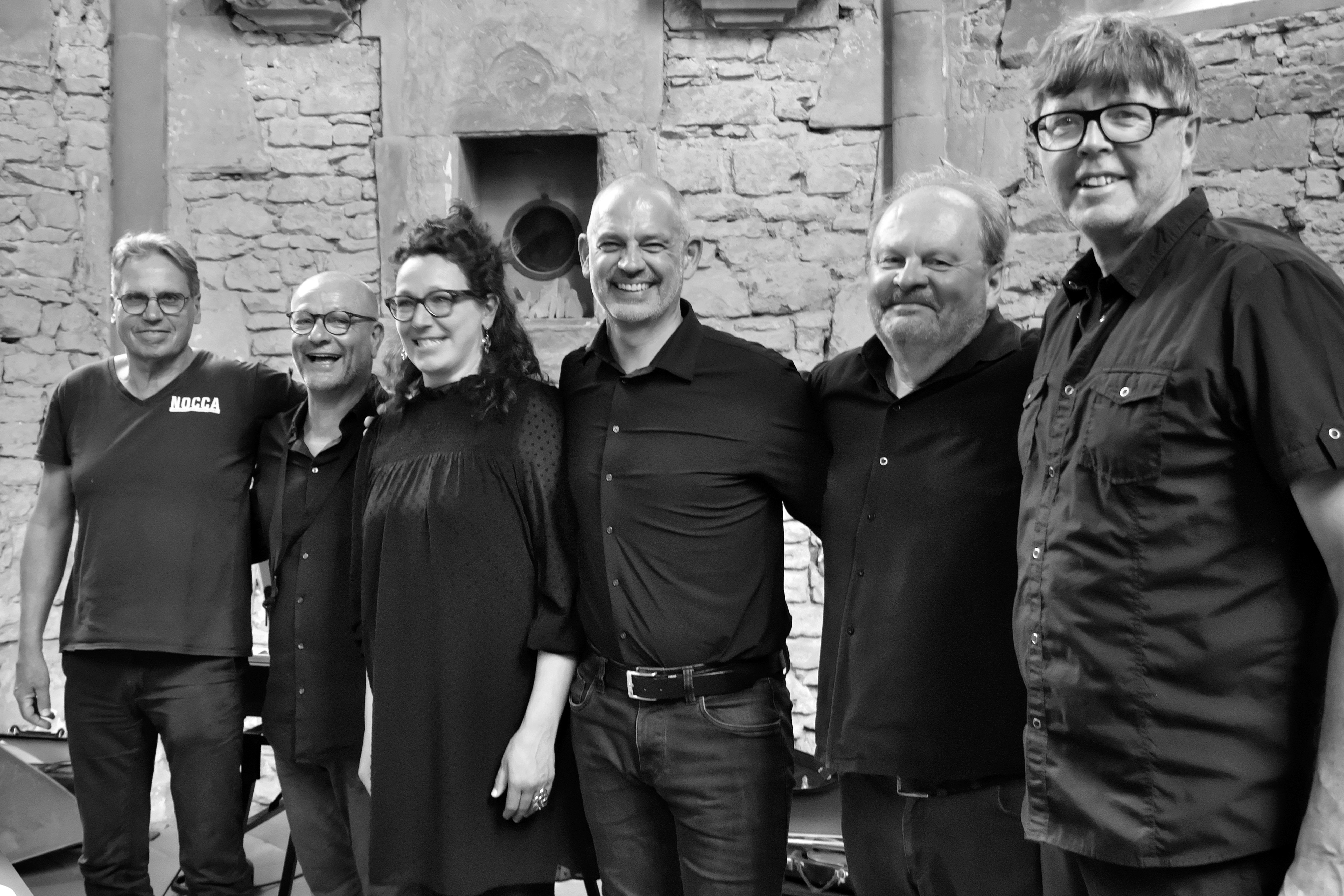
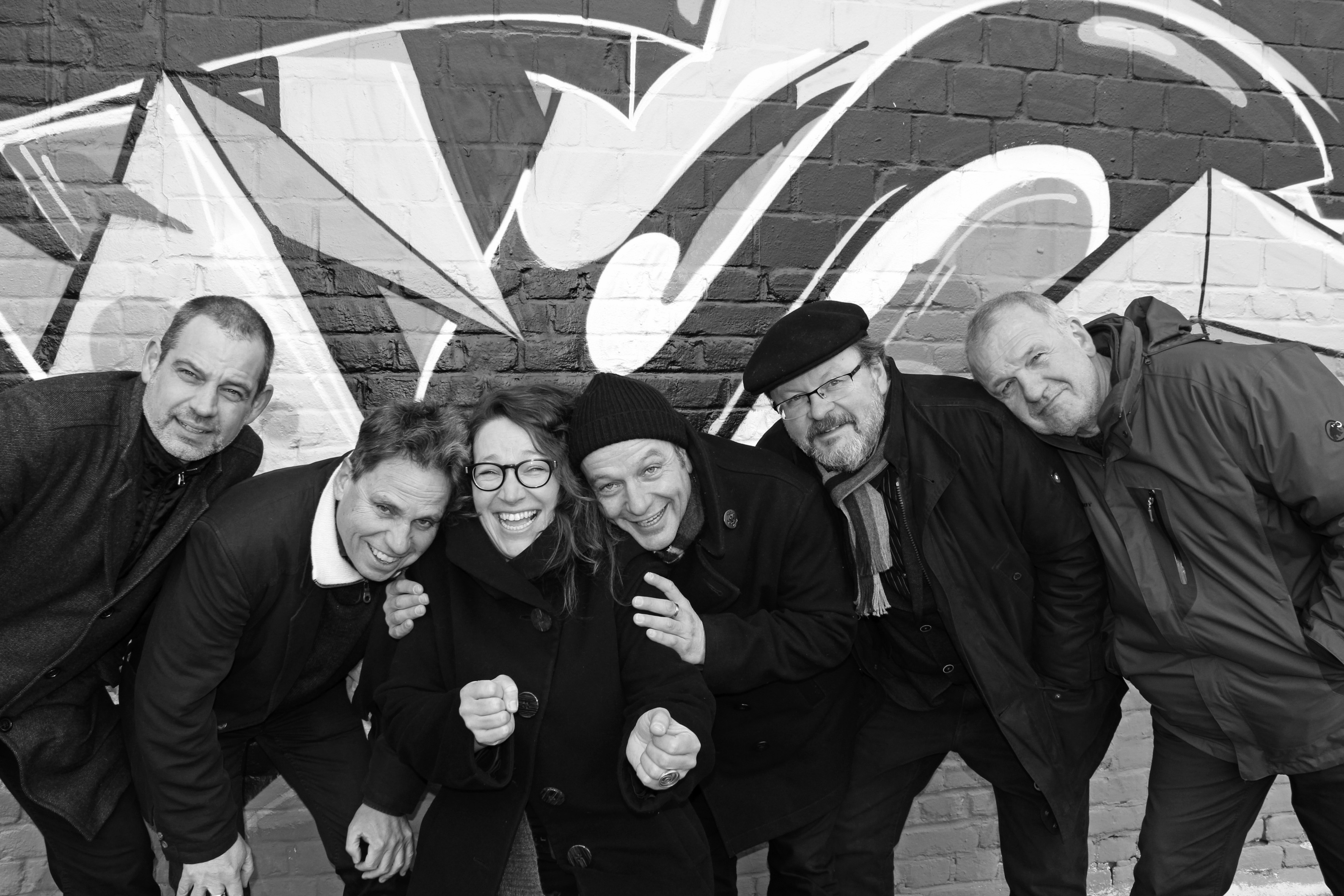
The performing band, Vintage 78—comprising Manuela Simmler (vocals), Mark Hubertus (drums), Martin Stark (violin, piano, viola), Erich Steiner (double bass), Volkmar Straßberger (guitar), and Cornell Wegmann (saxophone, clarinet, flute), has made a name for itself among music connoisseurs over the past several years. Musically, the band moves in a crossover between classical, jazz, and chanson, and at the Wintringer Chapel, they performed a combination of works by Bach, Fauré, Saint-Saëns, Heinz-Rudolf-Kunze, Brecht-Weill, Soyfer-Schmetterlinge, and Purcell.
The music was interspersed with short texts by Albert Camus, Bertolt Brecht, Jura Soyfer, Jürgen Habermas, and Peter Michael Lupp, recited by Ralf Christofori.
The audience was thrilled by the entertaining and packed program!
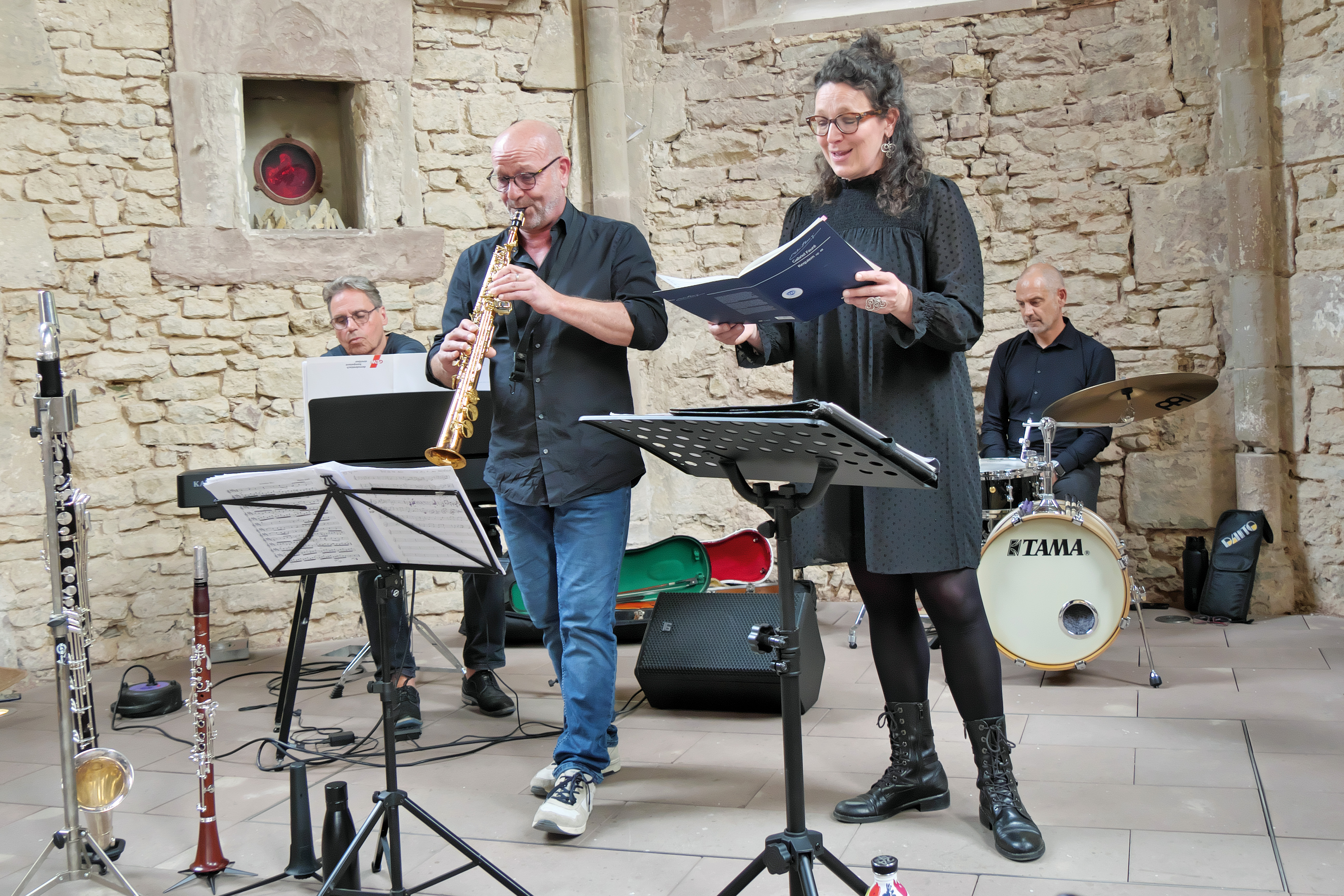
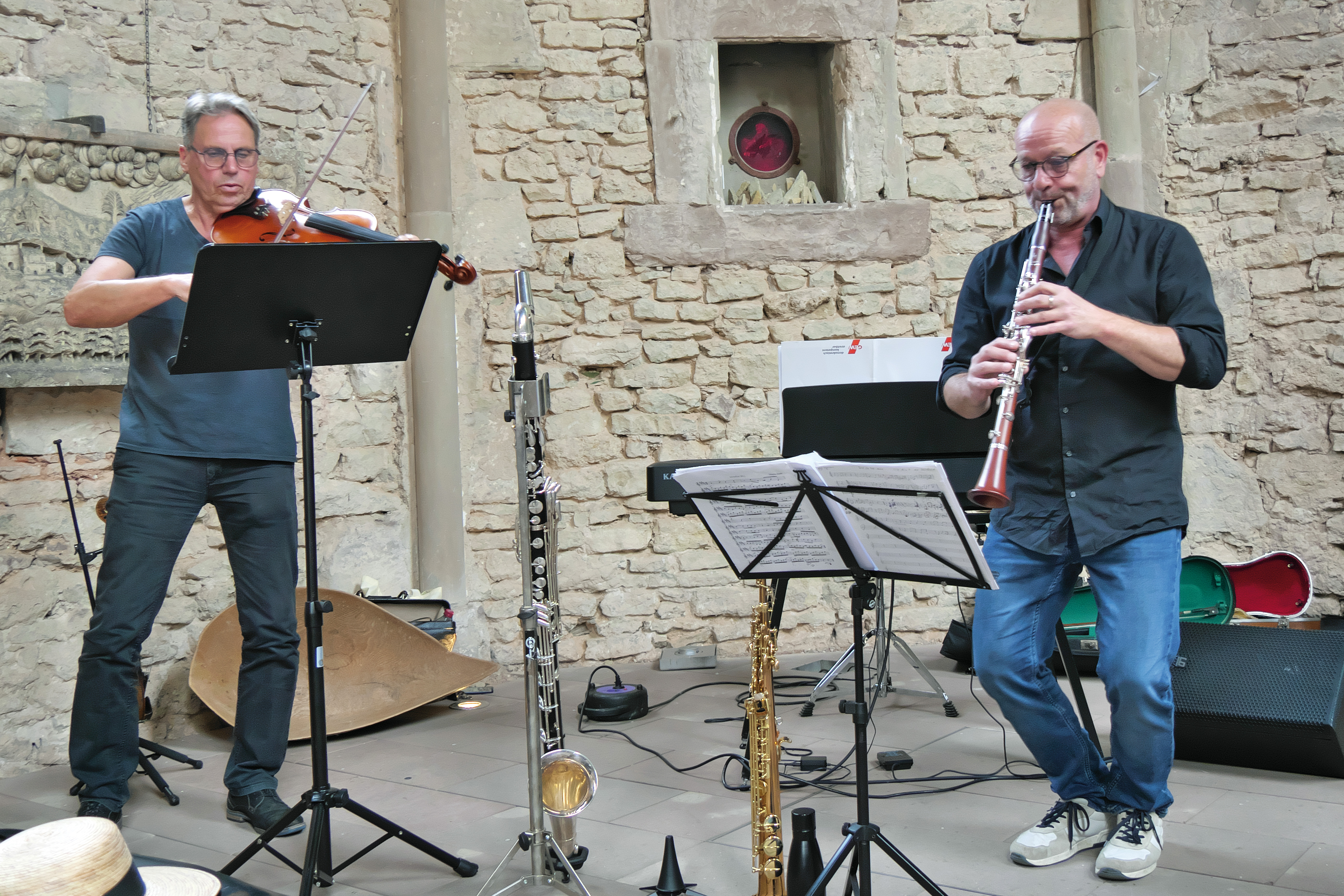
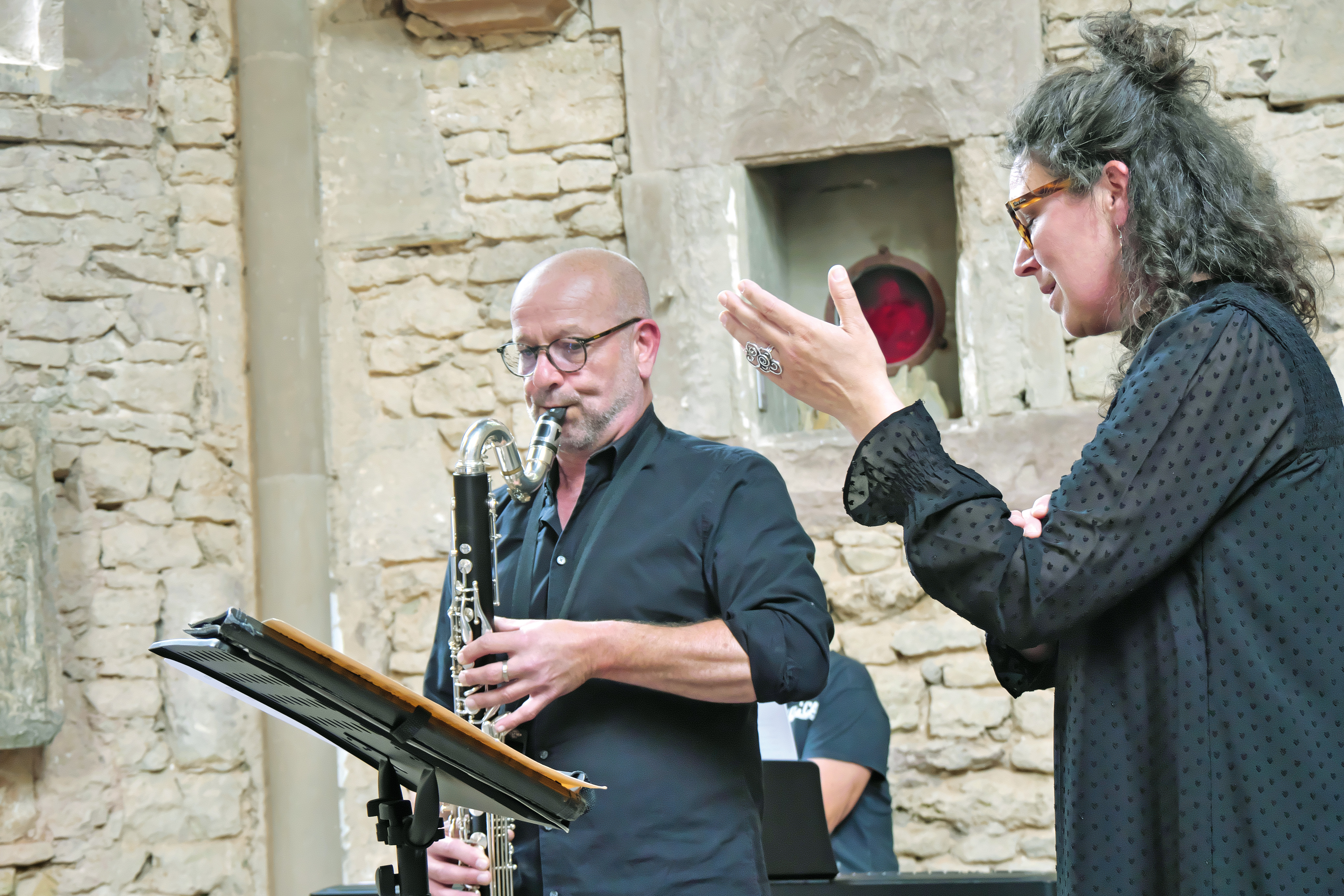

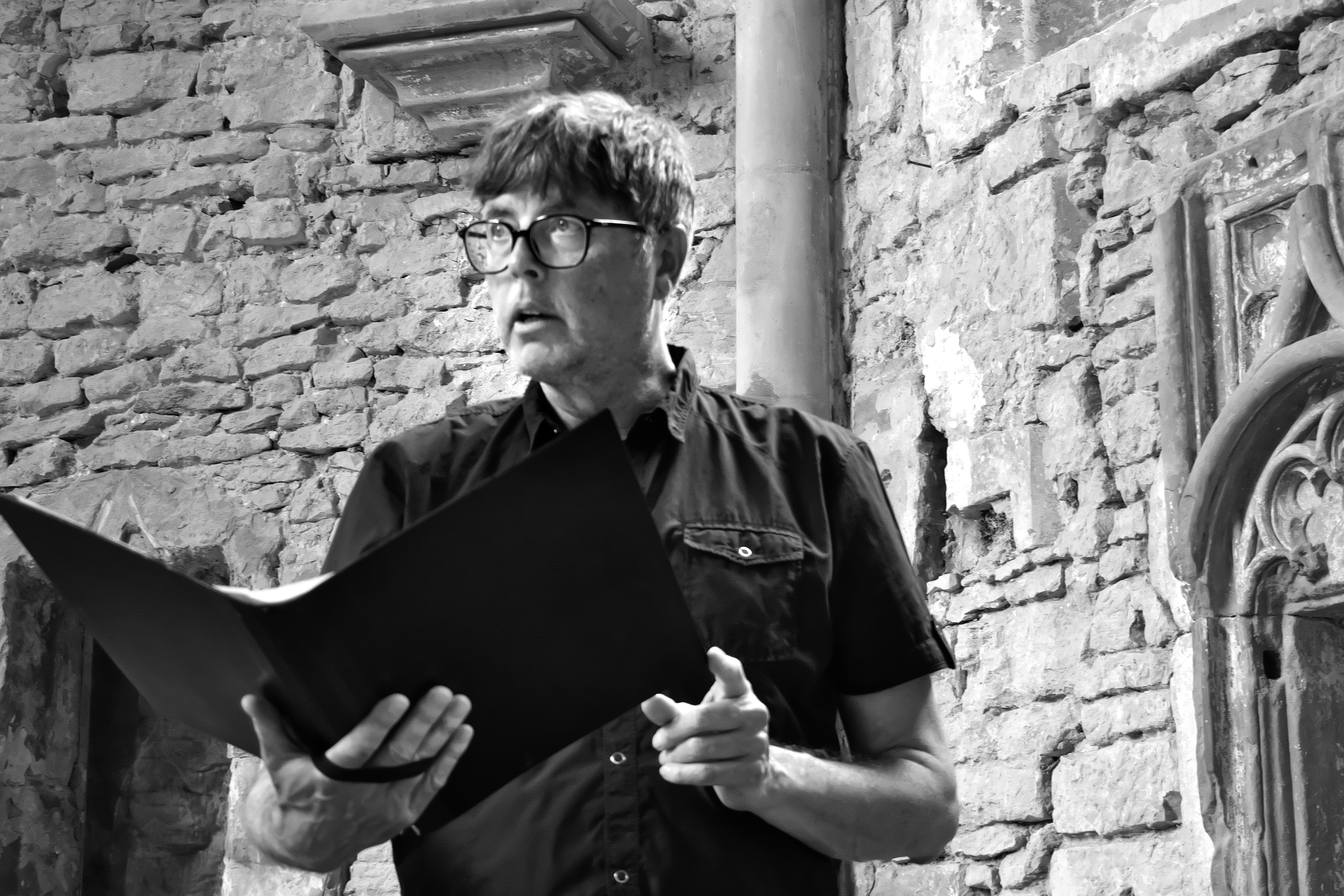
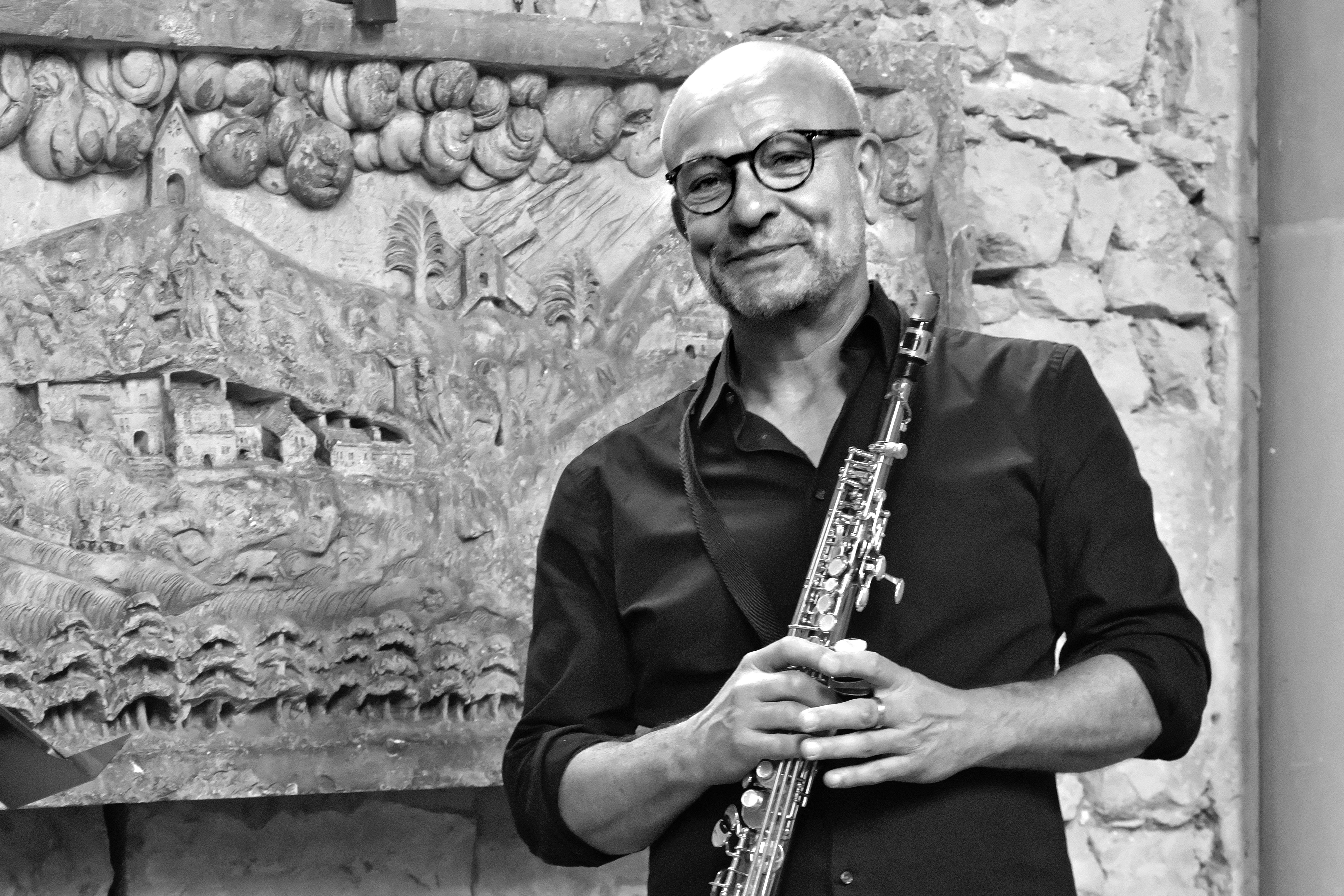
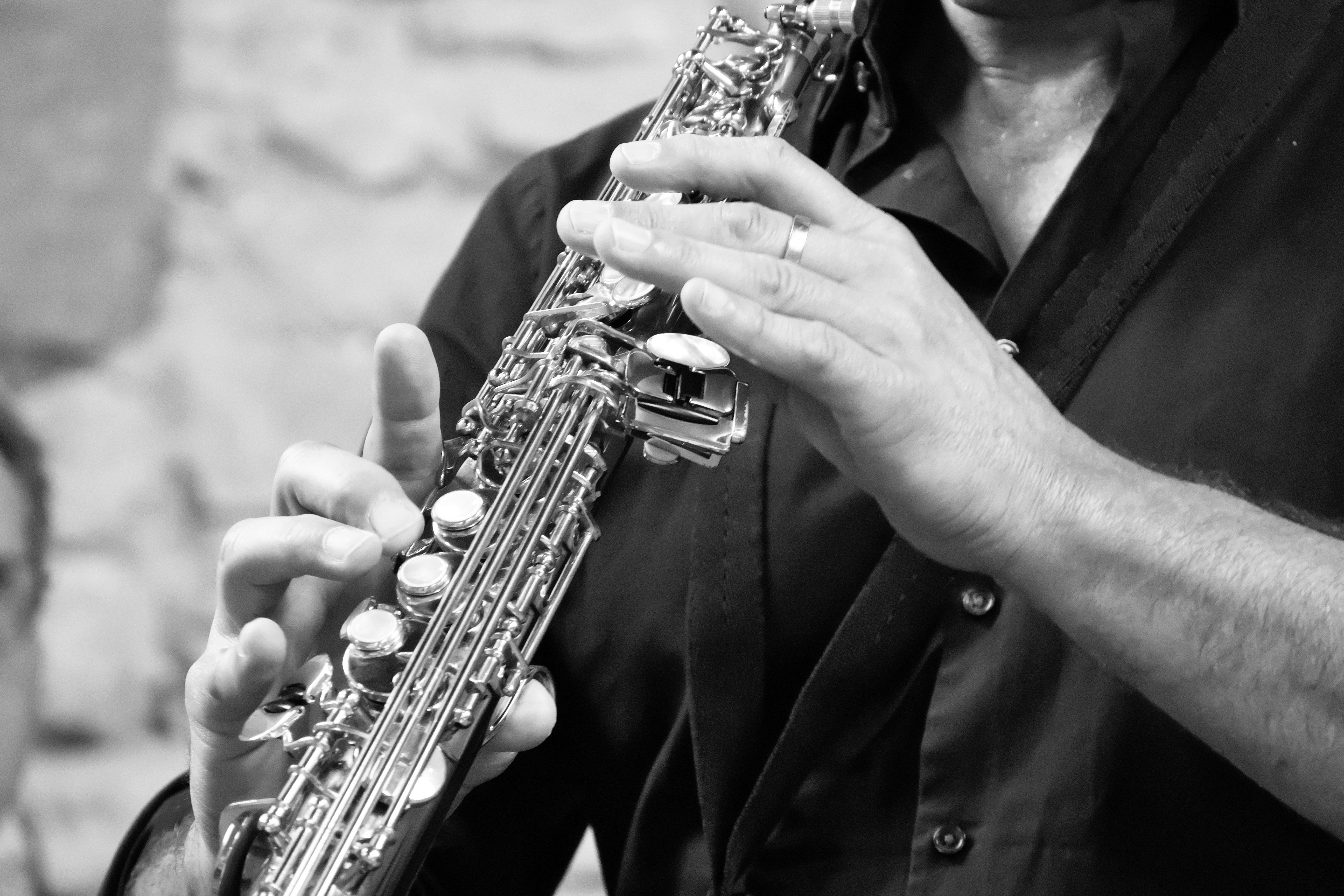
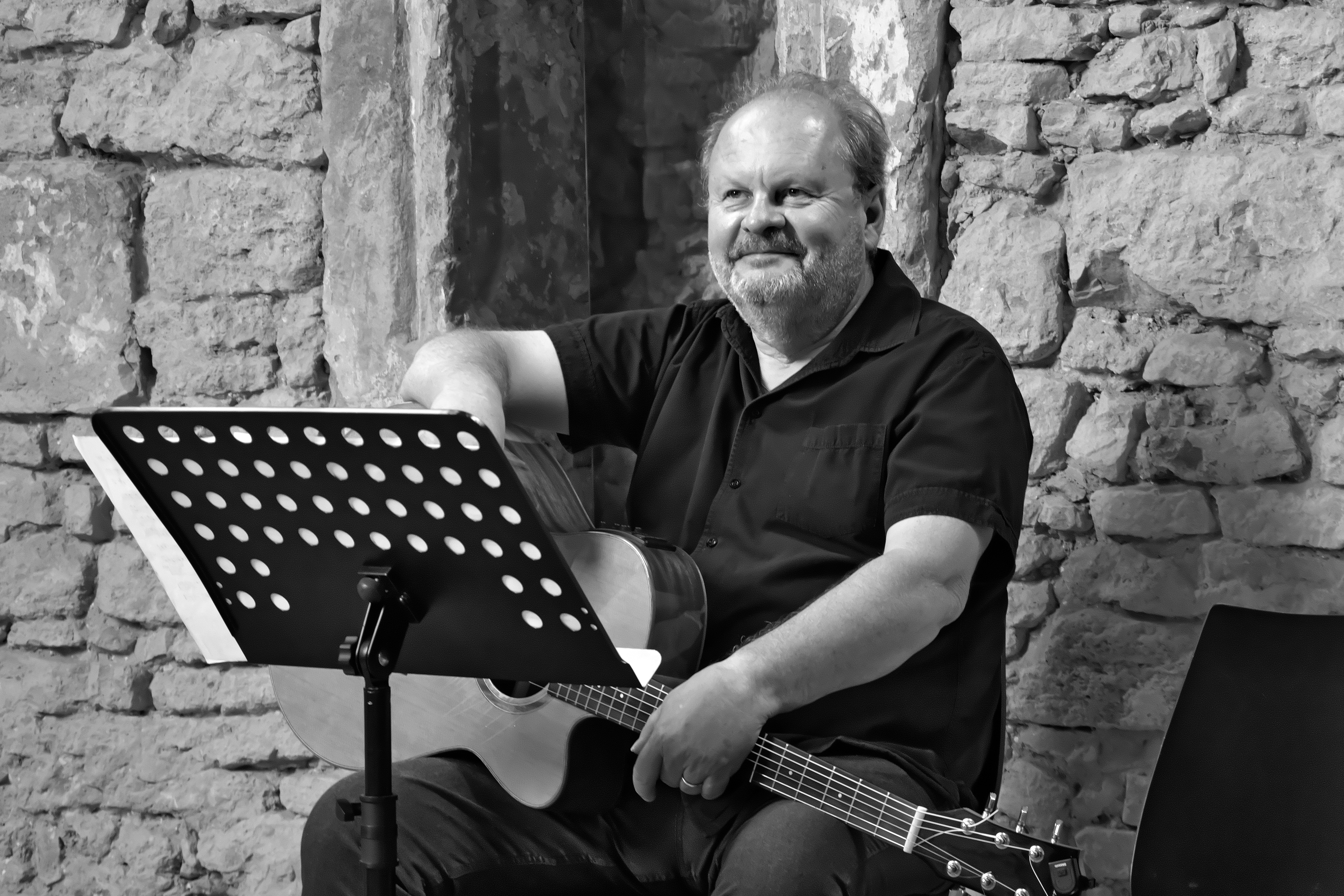
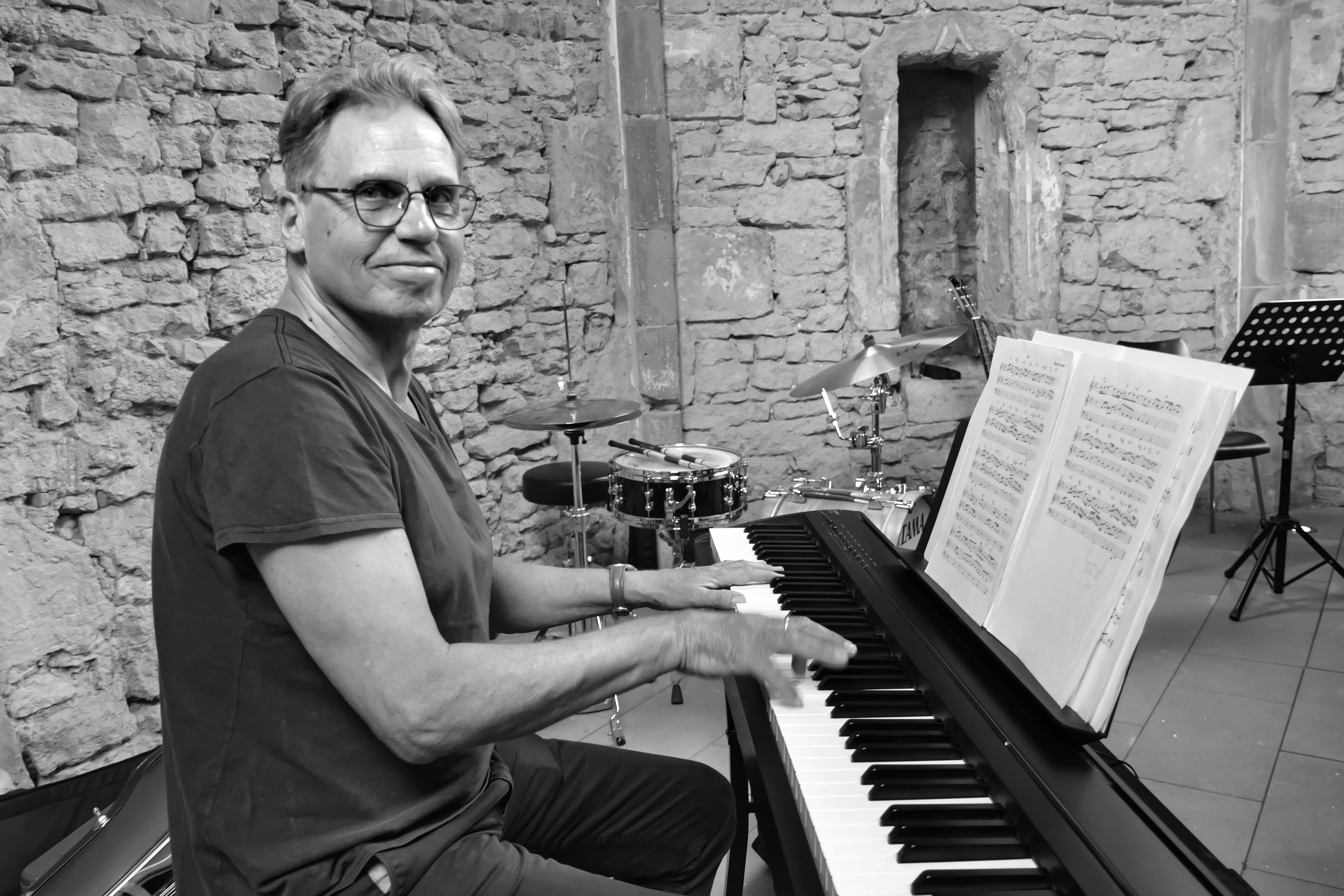
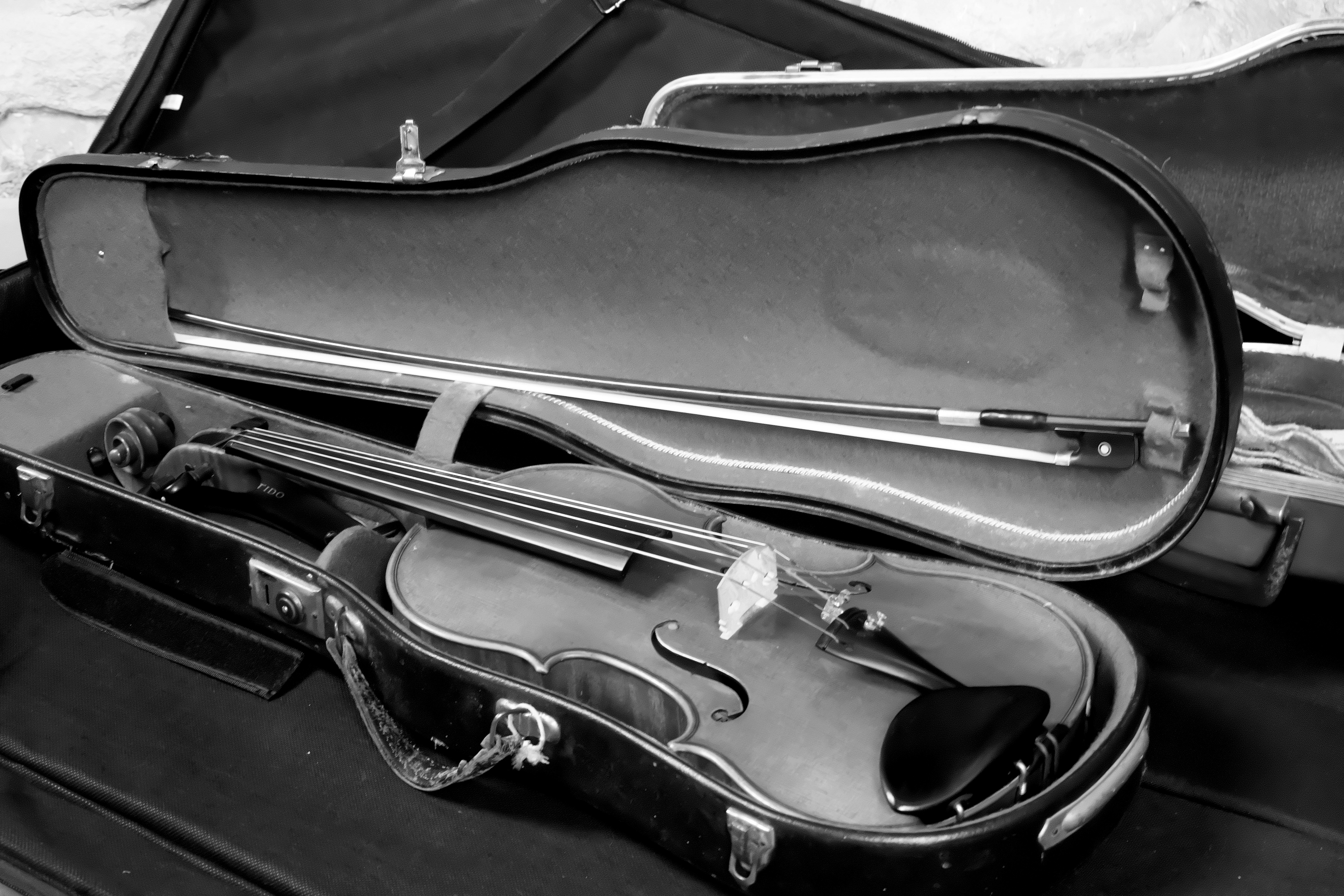
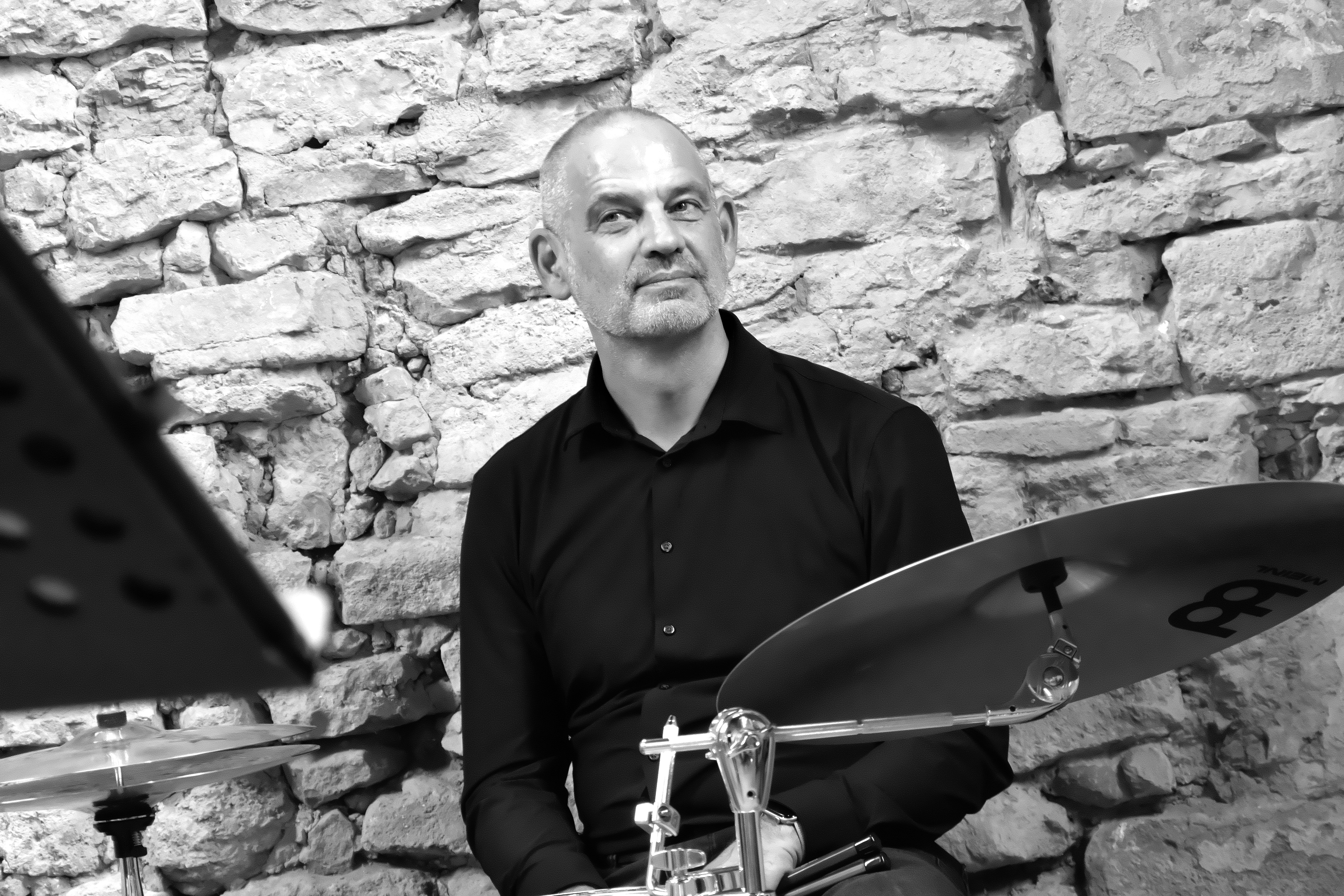
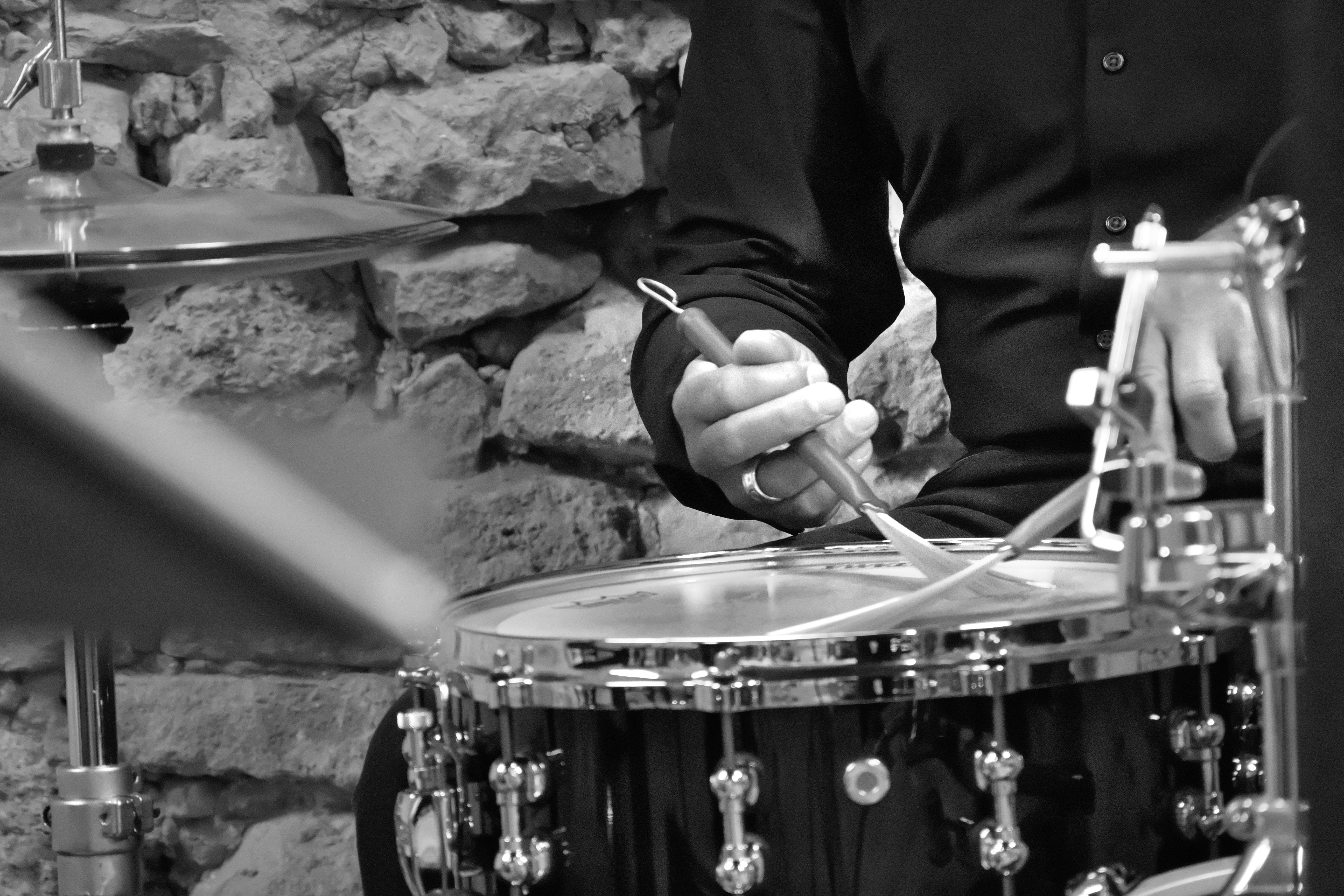
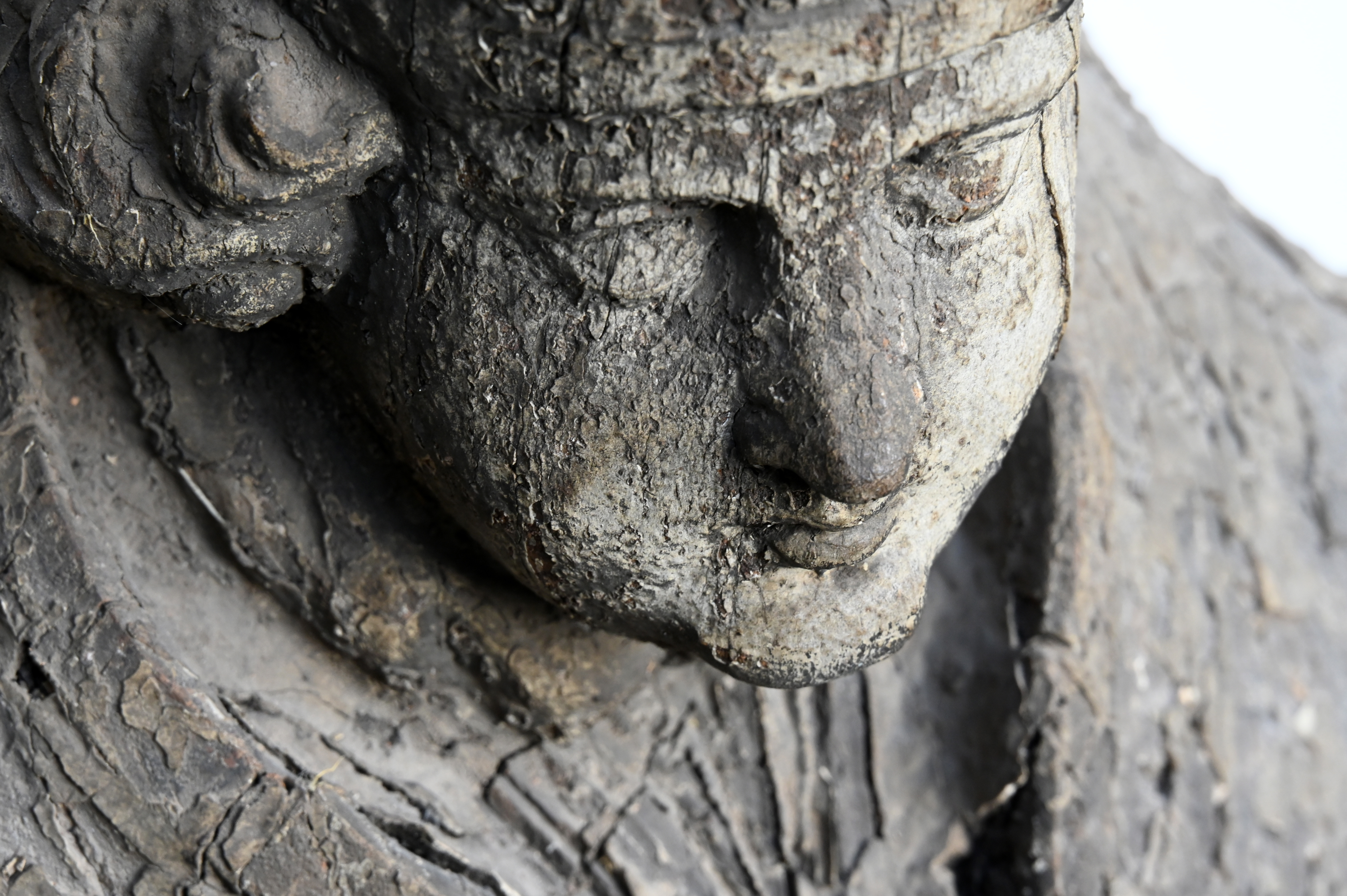
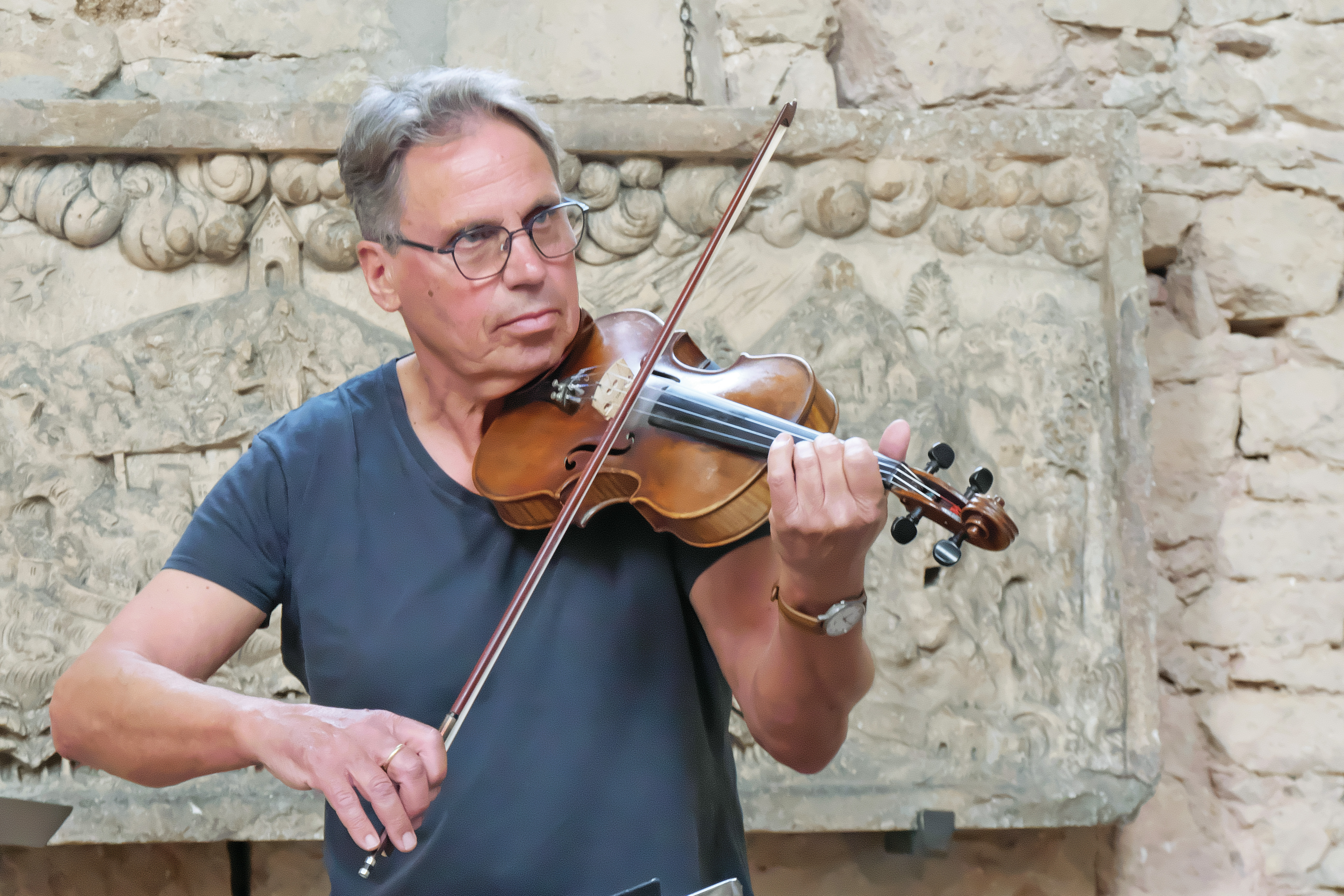
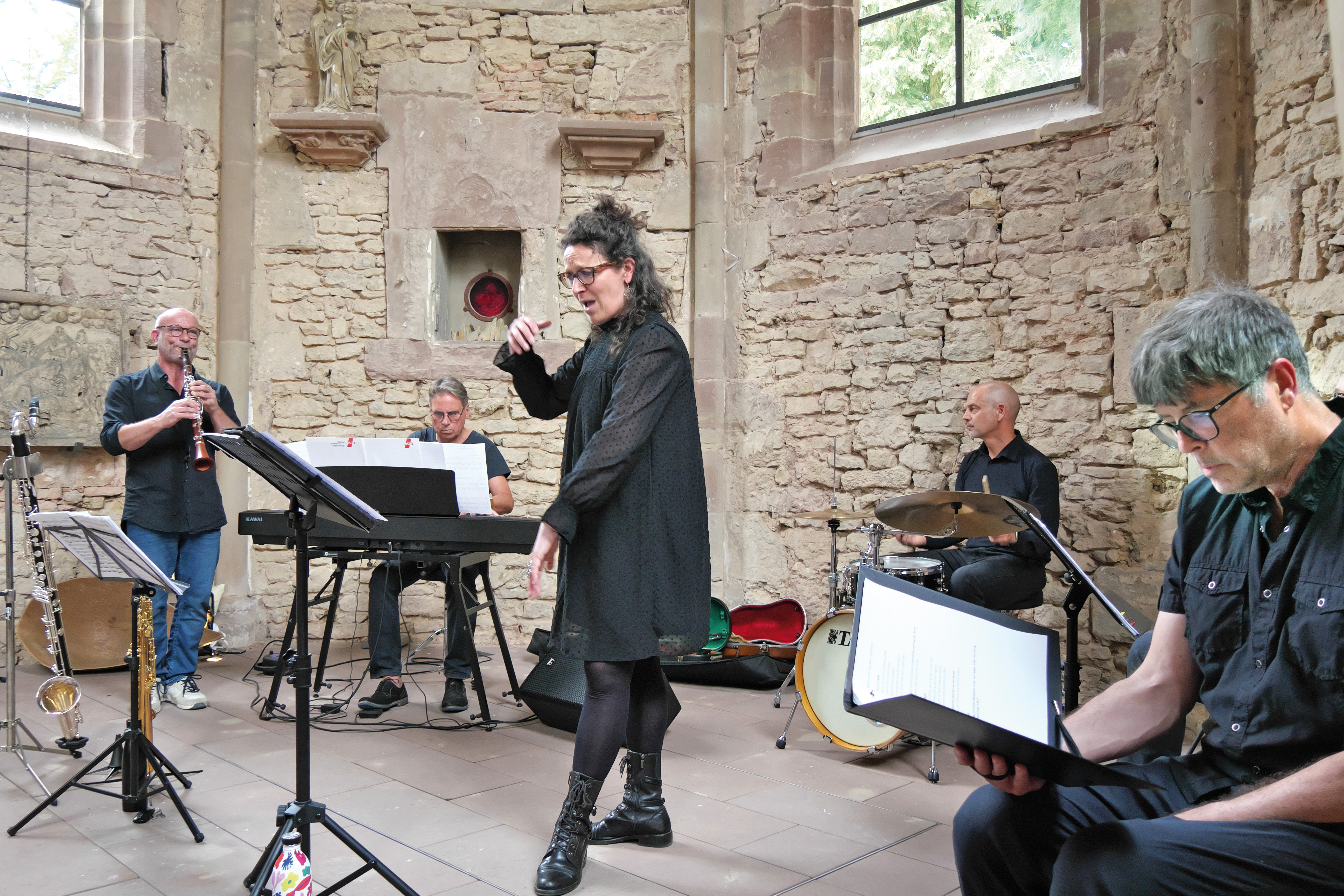
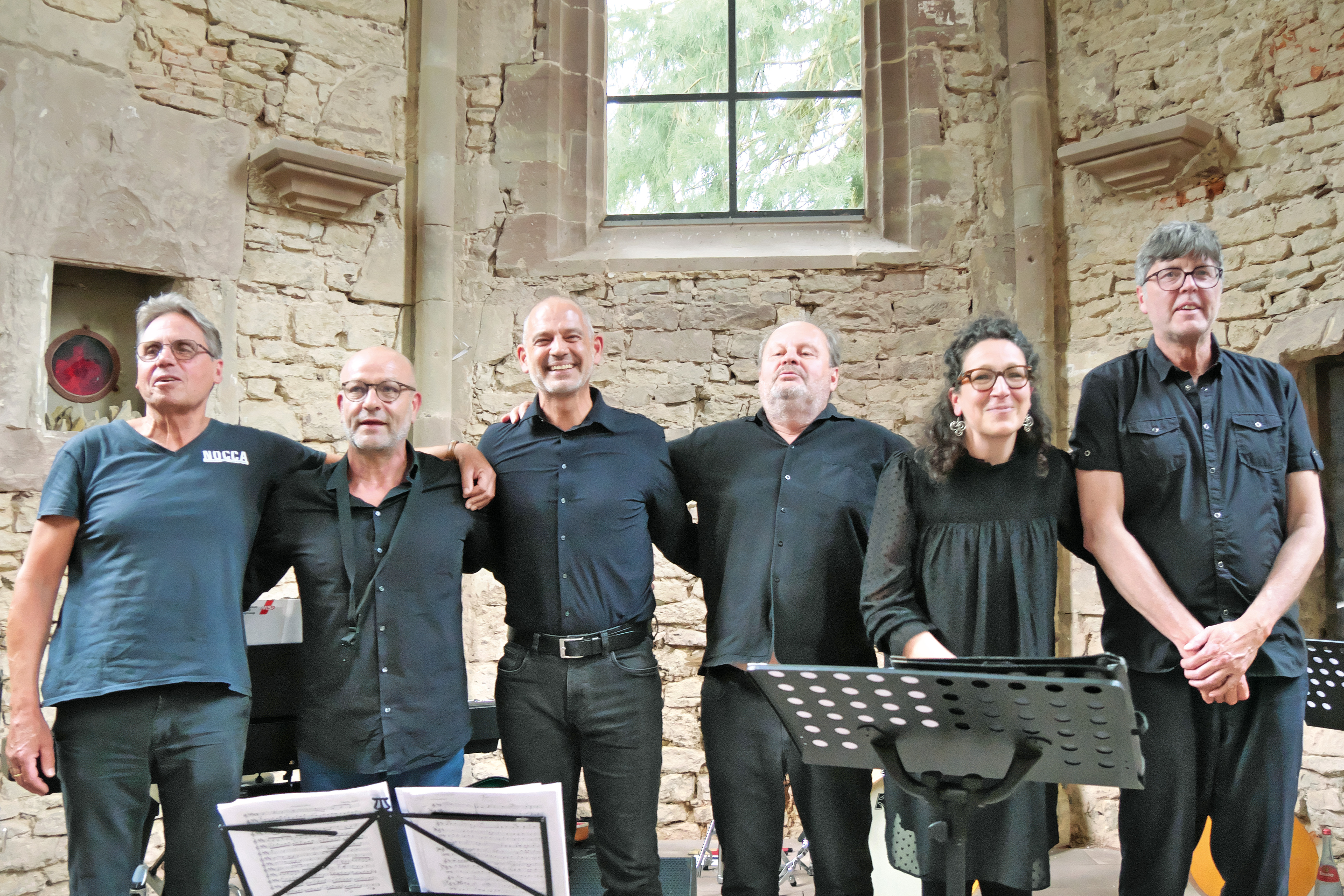
Concert with Vintage 78
Musical and intellectual reflections on the art project
Are you with me?
Concert and texts at the Cultural site Wintringer Chapel with Vintage 78
The event corresponds with the current art project at the Wintringer Chapel Cultural site, which deals with the virtues of St. Wolfgang (lat. Lupambulus) in a contemporary context. The music and texts take up Bach's trusting statement "Bist Du bei mir, geh' ich mit Freuden" and formulate it as a question - especially in a place that allows even the "religiously unmusical" (Habermas) to pause and reflect.
The ethical and moral principles of the chapel's patron saint addressed in the window and in the figure of Bishop Wolfgang offer a resonance chamber for the question: "Are you with me?". The music and texts of the event do not seek a binding answer, but the sound of the chapel can be used to pose critical questions to a counterpart.
The performing band Vintage 78, consisting of Manuela Simmler (vocals), Mark Hubertus (drums), Martin Stark (violin, piano, viola), Erich Steiner (double bass), Volkmar Straßberger (guitar) and Cornell Wegmann (saxophone, clarinet, flute), has made a name for itself among insiders for a number of years, including performances in the Kettenfabrik and in the Große Breite 63 Saarbrücken, in the Martinskirche Köllerbach and also in the synagogue in Meisenheim.
The band moves musically in a crossover between classical music, jazz and chansons and performs a combination of Bach, Fauré, Saint-Saëns, Heinz-Rudolf-Kunze, Brecht-Weill, Soyfer-Schmetterlinge and Purcell in the Wintringer Chapel, each in their own idiosyncratic arrangements. The music is framed by short texts by Ernst-Wolfgang Böckenförde, Jürgen Habermas, Albert Camus - and by the resonance space Cultural site Wintringer Chapel.
Date: Cultural site Wintringer Chapel on Sunday, May 31, 2026, 5 pm. Admission is free.
Note: Please note that there is only room for around 70 people at events at the Wintringer Chapel Cultural site. The neighboring Country inn looks forward to welcoming you after the concert. Reservations are recommended!